In today’s digital landscape, whether you are filming high-end commercials or trying to get your cat to look majestic for a reel, shaky footage kills the magic instantly.
That’s why the Hohem iSteady MT3 series exists, a clever lineup of stabilizers designed to turn frantic handheld filming into smooth cinematic brilliance, whether you shoot on a smartphone or a serious mirrorless rig. Let’s dive into what makes these gadgets tick and whether they deserve a spot in your gear bag.
Why the MT3 Exists
Historically, camera gimbals were reserved for Hollywood sets with massive budgets and crews wearing headsets. Everyday creators were left to rely on steady hands, strong coffee, and a lot of hope. More recently, tech companies introduced consumer-friendly versions, but many of them barely scrape by under real-world conditions.
The MT3 series exists to eliminate the mental exhaustion of solo shooting. Think about trying to direct, act, frame, and pull focus all by yourself. The real philosophy behind this product line is independence. It is engineered for the modern creator who runs a one-person show yet wants their videos to look like a full production crew was hiding just off-camera.
How It Works and What It Changes for You
The series splits into two distinct areas based on your workflow:
- The Standard iSteady MT3 (A$599): An ultra-lightweight, 765-gram travel companion built for smartphones, action cameras, and lighter vlog setups.
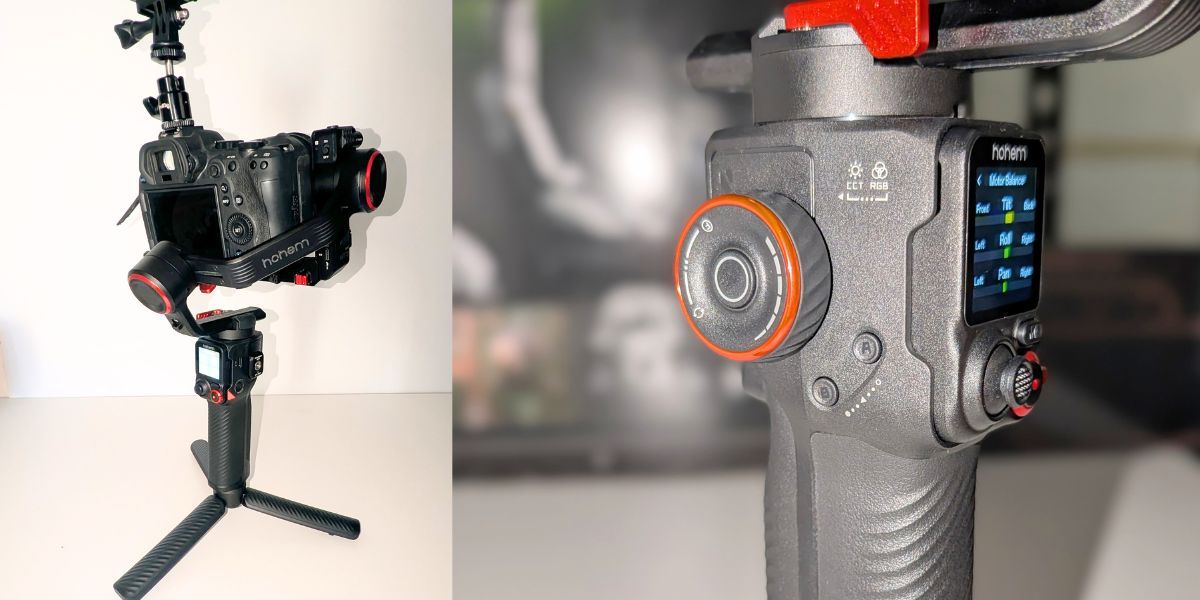
- The iSteady MT3 Pro (A$799) / Pro Kit (A$969): A robust workhorse built for serious mirrorless setups, tipping the scales at 1070 grams with a hefty 2.5 kg payload.
The magic of these devices is the built-in AI tracking camera. Instead of fiddling with buggy smartphone apps, the MT3 tracks your subject completely independently. The standard model focuses on human tracking, while the Pro utilizes a massive AI model to lock onto pets, vehicles, and buildings. You can activate it instantly using a double-tap on the touchscreen, an “OK” hand gesture, or a physical trigger.
For solo creators, the Pro model features an industrial exclusive: a detachable touchscreen remote. You can set your camera on a tripod ten metres away, slide the 1.4-inch remote off the handle, and view a live feed right in your palm while controlling the movement. Combined with a massive 20-hour battery life and a fast 4-step vertical switch for jumping between YouTube and TikTok formats, it removes the friction from modern content creation.

How It Stacks Up Against the Competition
When you look at big players like the DJI RS 4 Mini, Hohem holds its ground remarkably well, primarily because of that built-in AI tracking camera that does not rely on third-party software tricks. The MT3 Pro’s 2.5 kg payload and 20-hour battery life comfortably outlast the RS 4 Mini’s limits. On the lighter side, the base MT3 model gives the DJI RS 3 Mini a serious run for its money if you prefer a lighter, more compact load in your backpack.
Admittedly, all that mechanical capability means the Pro model requires a bit of patience to balance initially, and your forearms will definitely feel the workout after a long afternoon of shooting. But once configured, the performance is effortless.
The Final Verdict: Is It Worth It?
Using the MT3 series genuinely changes the emotional experience of filmmaking. Instead of stressing about holding your breath or walking like a flamingo to keep things steady, you simply frame the scene, let the AI handle the tracking, and enjoy the creative process.
If you are a casual vlogger or smartphone creator wanting maximum portability, the base MT3 is a fantastic travel buddy. If you are a commercial creator or solo indie filmmaker hauling heavier gear and wanting total wireless control, the MT3 Pro is absolutely tech to look forward to.